


Java SE 8 Certifications - OCA & OCP Exam Prep Guide
Java SE 8 significantly transforms how Java programmers write code. Earning a Java SE 8 Certification equips you with the tools to leverage the new features within Java SE 8.
The Java SE 8 Oracle Certified Associate (OCA) certification builds a foundational understanding of Java while expanding your knowledge of general programming. Ideal candidates include those with technical backgrounds seeking to improve programming skills or those new to object-oriented programming and Java.
Typical backgrounds for candidates include system administration, technical writing, web development, technical management, project management, and program management.
Preparing for this certification cultivates in-demand Java programming skills that will serve you well in a competitive job market. You'll learn to:
- Create command-line Java applications
- Understand and apply Object-Oriented concepts (Encapsulation, Inheritance, Polymorphism)
- Use Java types effectively
- Create conditional statements and loops
- Manipulate arrays and collections
- Handle exceptions
- Take advantage of new Java SE 8 features, such as Lambda expressions and the Date/Time API
Candidates who earn the OCA are well-positioned to pursue the more advanced Oracle Certified Professional (OCP) certification.
Exam Details
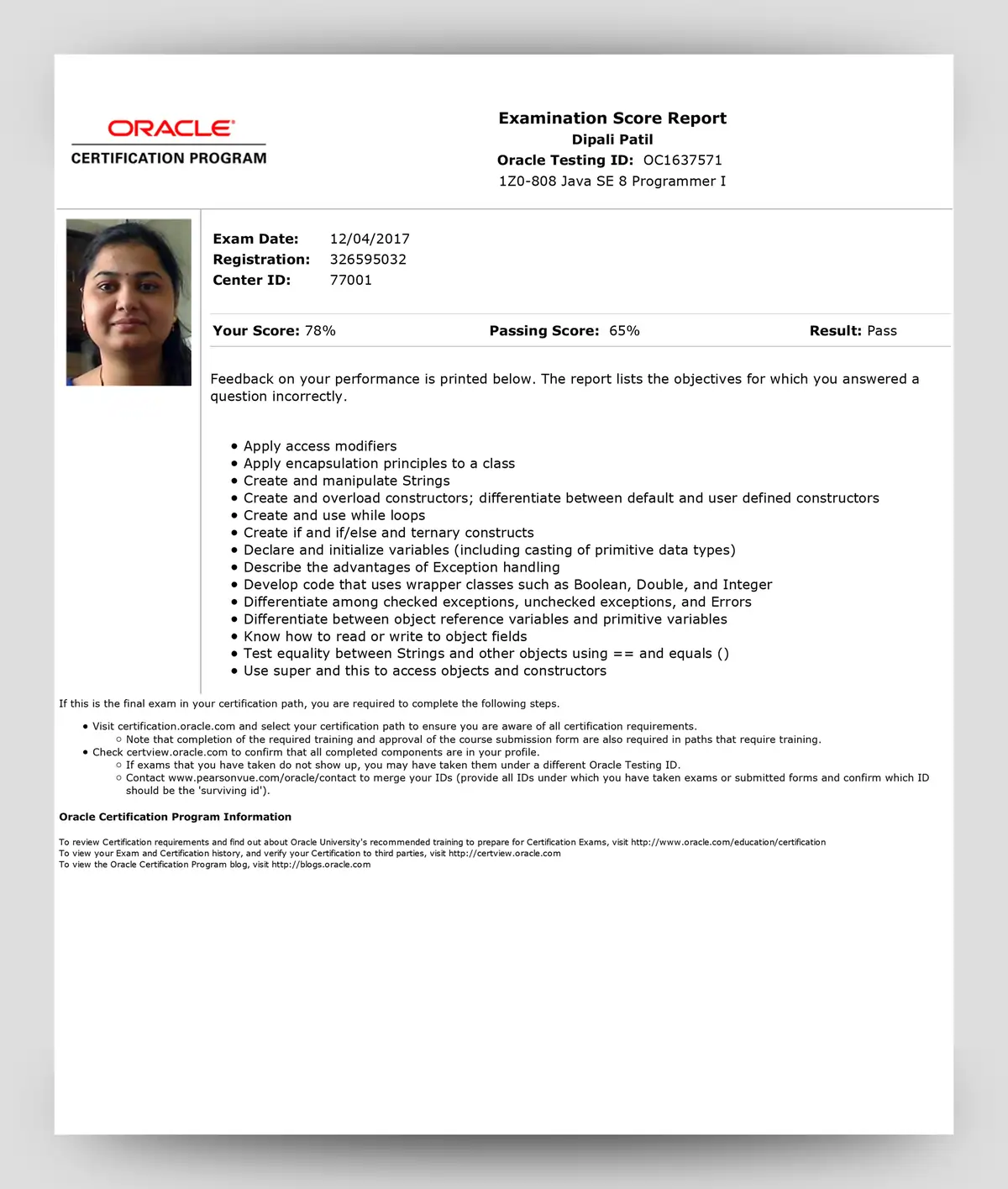
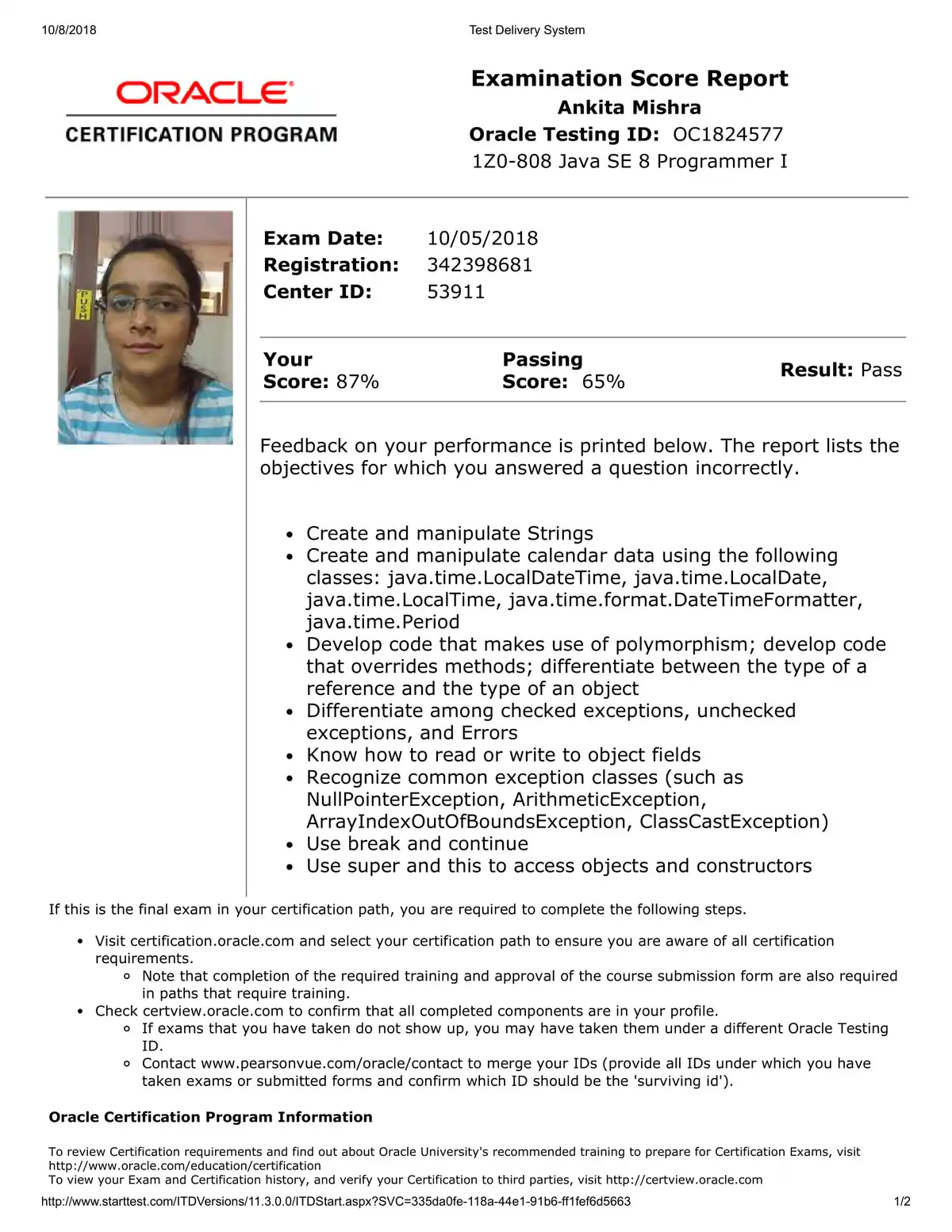
The OCA exam (1Z0-808) has a duration of 120 minutes, 56 questions, and a passing score of 65%. It validates skills related to Java SE 8.
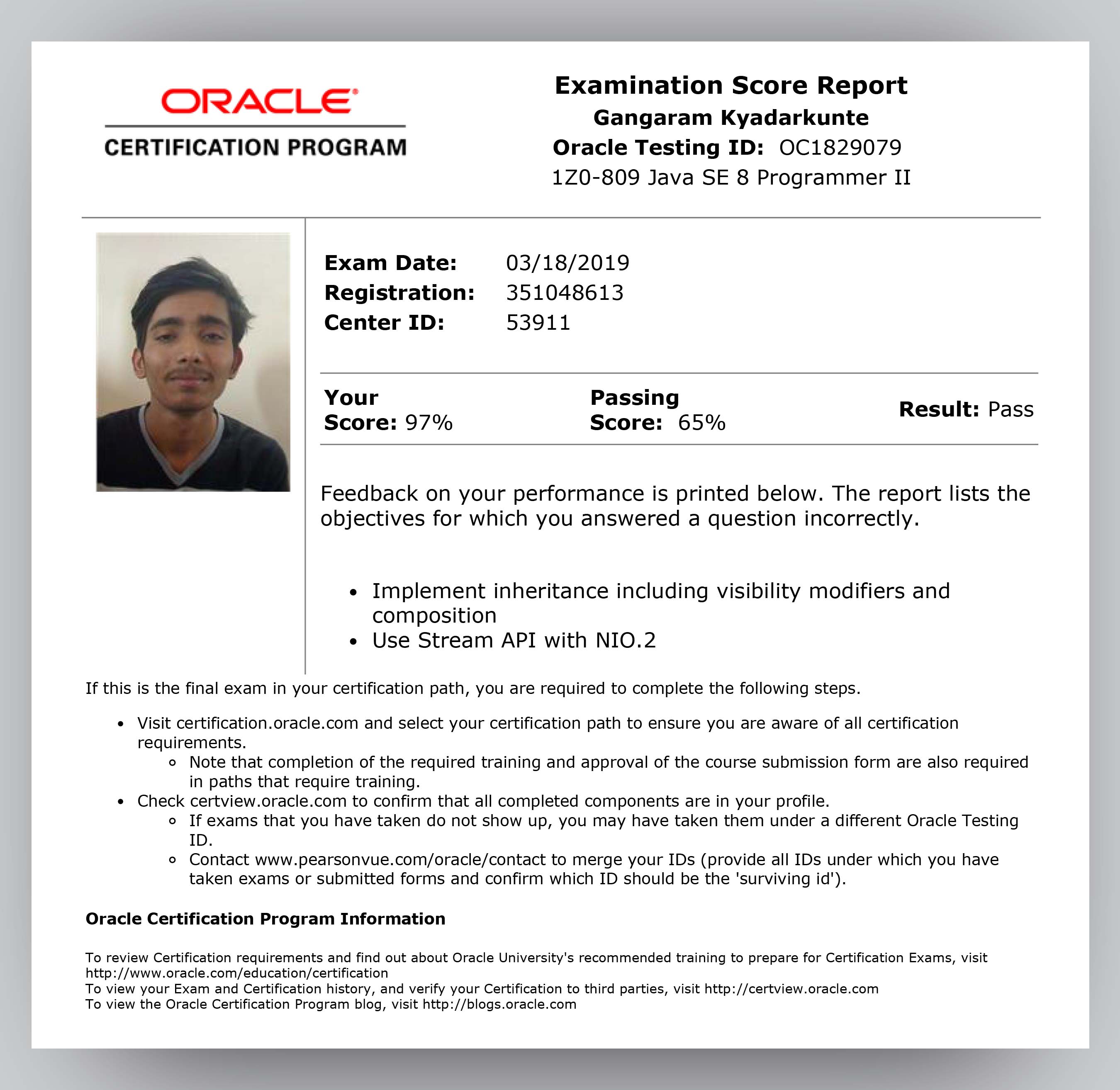
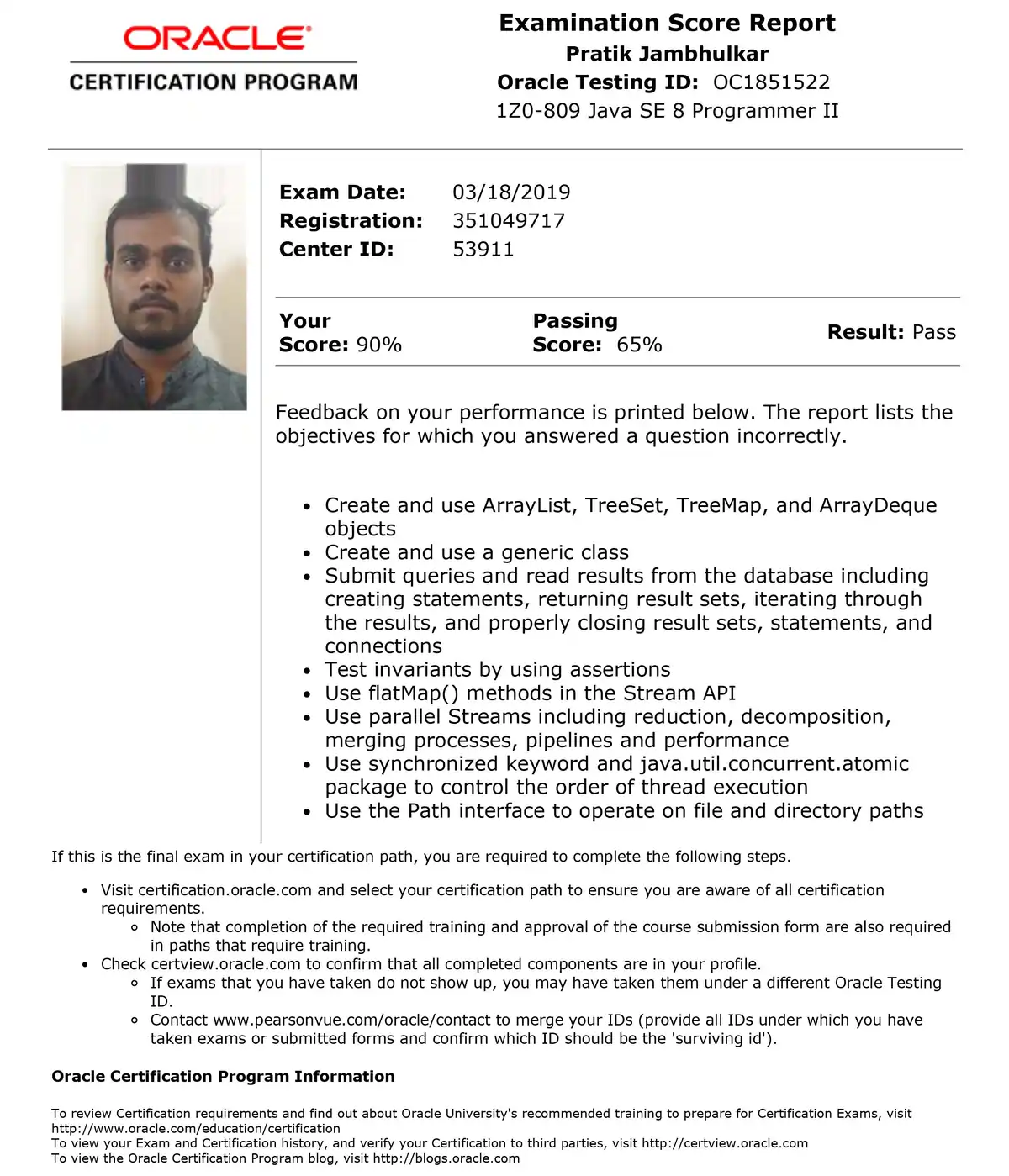
The OCP exam (1Z0-809) also lasts 120 minutes, with 68 questions and the same passing score. It further validates your Java SE 8 expertise.
Both exams cover essential Java knowledge, making you a proficient Java developer.
Discover Unisoft - Your Gateway to Java Mastery in Nagpur
- Welcome to Unisoft Technologies, where top-tier educational training and Java classes await you in the Nagpur region. Our instructor-led courses have consistently produced successful Java developers, a fact proudly reflected in our Google Maps Reviews.
- Java's popularity in professional software development opens a vast job market for experts. Unisoft Technologies lays the groundwork for your mastery of this intricate language.
- From beginner to advanced levels, Unisoft Technologies is your partner in learning Java programming.
- Our Java courses emphasize hands-on experience over theoretical knowledge, ensuring practical learning.
- Our structured Day Wise Course Agenda guides your learning journey.
- Learn from the best: our highly qualified and Java Certified instructors will lead you through the nuances of the Java language.
- Gain proficiency in writing well-designed, professional Java code with our practice-oriented curriculum.
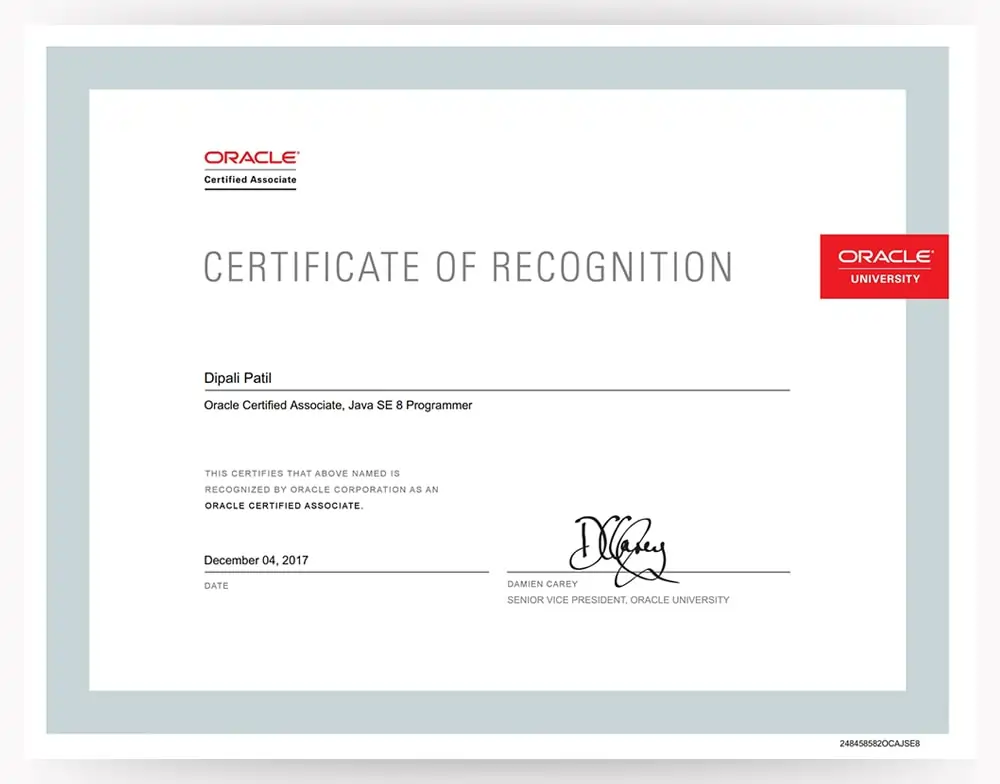
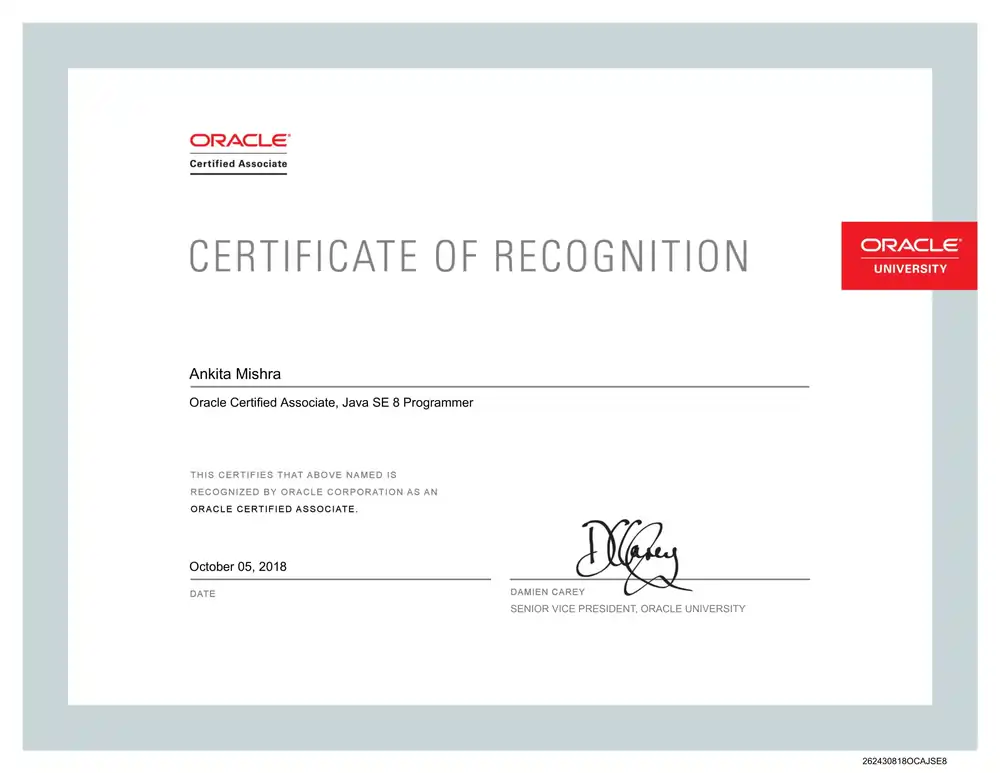
- Begin your software development career with a solid grasp of Java, aiming for the Oracle Certified Associate, Java SE 8 Programmer certification (1Z0-808).
- Develop real-world skills by creating Java EE-based web applications with JSP, Servlets, and MySQL under expert guidance.
- Build a strong foundation in Java essentials, preparing you for advanced frameworks like Spring and Java EE.
- Conquer complex Java syntax and coding strategies with Unisoft Technologies' expert training, and take the next step by achieving the Oracle Certified Professional, Java SE 8 Programmer (1Z0-809) certification.
Course Content / Exam(s)
- Java History
- Java Language Features
- OO (Object Oriented) Concepts
- Java Class Structure
- Create Executable Java Applications
- Java Naming Conventions
- Run A Java Program
- Java Access Modifiers
- Methods and Constructors
- Java Declarations
- Differentiate Between Object Reference Variables and Primitive Variables
- Explaining An Object's Lifecycle
- Develop Codes That Uses Wrapper Classes
- Use Java Operator's Precedence
- Test Equality Between Objects
- Create If And If/Else
- Ternary Constructs
- Use A Switch Statement
- Create And Use While Loops
- Create And Use For Loops Including The Enhanced For Loop
- Create And Use Do/While Loops
- Compare Loop Constructs
- Use Break And Continue
- Use For-Each Loop
- Declare, Instantiate, Initialize And Use A One-Dimensional Array
- Declare, Instantiate, Initialize And Use Multi-Dimensional Arrays
- Apply Encapsulation Principles To A Class
- Object Refereces And Primitive Values
- Use Static Keyword
- Describe Inheritance And Its Benefits
- Develop Code That Makes Use Of Polymorphism
- Overload Methods
- Override Methods
- Differentiate Between The Type Of A Reference And The Type Of An Object
- Determine Necessity Of Casting
- Use Super And This
- Use Abstract Classes And Interfaces
- Create A Try-Catch Block
- Exception Categories
- Use Of Finally Block
- Use Of Throw,Throws
- Use Try-With-Resources Statement
- Custom Exceptions
- Assertions
- Manipulate Data Using The StringBuilder Class And Its Methods
- Create And Manipulate Strings
- Create And Manipulate Calendar Data
- Declare And Use An ArrayList Of A Given Type
- Introduction To Lambda Expressions
- Create And Use A Generic Class
- Use List, Set, Map and Queue Interfaces
- Use Comparator And Comparable Interfaces
- Collections Streams And Filters
- Iterate Using For-Each Methods Of Streams And List
- Describe Stream Interface And Stream Pipeline
- Filter A Collection By Using Lambda Expressions
- Use Method References With Streams
- Use The Built-In Interfaces Included In The Java.Util.Function Package
- Use Primitive Versions Of Functional Interfaces
- Use Binary Versions Of Functional Interfaces
- Use The Unary Operator Interface
- Use Peak() And Map() Methods
- Search For Data By Using Search Methods Of The Stream Classes
- Use The Optional Class
- Use Stream Data Methods And Calculation Methods
- Sort A Collection Using Stream API
- Save Results To A Collection Using The Collect Method
- Group/Partition Data Using The Collectors Class
- Use FlatMap() Methods In The Stream API
- Create And Manage Date-Base And Time-Based Events
- Work With Dates and Times Across Timezones
- Manage Changes Resulting From Daylight Savings Including Format Date And Time Values
- Define, Create And Manage Date-Based And Time-Based Events
- Read And Write Data From The Console
- Use Classes From Java.IO Package
- Serialization And Deserialization
- 'Transient' Keyword
- Use Path Interface
- Use Path operations
- Use File Class
- Use Stream API With NIO.2
- Walk The Directory Structure
- Operating System task Scheduling
- Recognizing MultiThreaded Environments
- Creating MultiThreaded Solutions
- Sharing Data Across Threads
- Synchronization And Deadlock
- Creating Atomic Variables
- Using Read-Write Locks
- Thread-Safe Collections
- Concurrent Synchronizers
- Executors And Threadpools
- Need For Fork-Join Framework
- Java.Util.Concurrent.ForkJoinTask
- Compute Structure
- Recommendations
- Streams Review
- Stream Pipeline
- Using Parallel Streams
- Embrace Statelessness
- Avooid Statefulness
- Reduction
- Interfaces That Make Up The Core Of The JDBC API
- Identify The Components Required To Connect To A Database
- Submit Queries And Read Results From The Database
- Read And Set The Locale By Using The Locale Object
- Create And Read A Properties File
- Build A Resource Bundle For Each Locale And Load A Resource Bundle In An Application
- AWT
- SWING
- Networking
- Applet